What’s Ahead for Multifamily Connectivity, Streaming & Automation
The multifamily landscape has been anything but predictable over the past year. As operators navigate slowing construction, rising expectations, and rapid advances in automation, planning for 2026 can feel like aiming at a moving target.
That’s why we’ve broken down the biggest multifamily technology trends on the horizon, so you can see what’s coming and stay ahead of the curve. Let’s dive into what’s next for the multifamily industry when it comes to connectivity, automation, and community operations.
Connectivity & Infrastructure Outlook for 2026
Construction Slowdown: What It Means for Operators
According to What’s Ahead for Multifamily: 11 Trends to Watch in 2026 from apartments.com, construction starts have fallen 71% from their peak in Q1 2022 through Q3 2025, and are projected to stay well below pre-pandemic levels. With fewer new communities coming online, the dynamics of the market are shifting.
For operators, this slowdown brings a different set of priorities:
- More competition to retain residents, as keeping existing households becomes even more important for maintaining occupancy.
- A stronger focus on optimizing aging buildings, ensuring older properties can compete with newer supply.
- Increased investment in connectivity and automation upgrades, giving established communities the modern experience residents seek.
With new supply tightening, the pressure is on to elevate the performance and appeal of the properties already in operation.
Connectivity and Streaming Expectations Continue to Rise
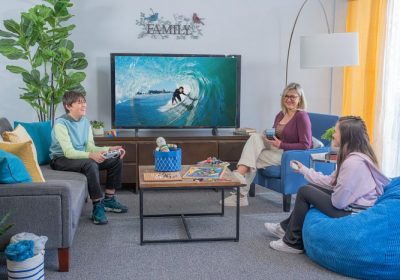
Reliable, high-speed internet is a non-negotiable expectation in the multifamily industry. As digital lifestyles expand, so do expectations. Residents expect seamless, always-on connectivity whether they’re working from home, streaming 4K content, gaming online, or running a growing collection of smart-home devices. Modern connectivity also plays a direct role in protecting NOI. Strong networks reduce service complaints, improve renewal intent, and minimize costly turnover driven by connectivity frustrations.

“Infrastructure Connectivity, particularly Managed Wi-Fi, continues to be the #1 topic of discussion in Multifamily. It’s critical in bringing all other technologies to life in the building and is a crucial element for driving resident engagement and retention. Modernizing your Wi-Fi infrastructure is no longer optional in this technology-driven world we live in today; it’s viewed the same as “hot water,” and the resident expectation is that it’s available and working.”
– Nate Sundloff, VP of Multifamily Sales at Groove
Looking ahead to 2026, anticipate residents to look for:
- Gigabit and multi-gig speeds as the standard, not the upgrade
- Building-wide managed Wi-Fi that delivers strong, consistent coverage with no dead zones
- Secure, passwordless connectivity that’s easy to join and protects resident privacy
- Networks robust enough to support dozens of devices per unit, from TVs to thermostats to smart locks and beyond
To keep up, MDU operators will need future-ready networks built to support both resident bandwidth needs and the growing stack of property automation systems running behind the scenes. Many organizations are opting to retrofit their properties using G.hn technology, a low-cost, low-construction option that delivers fiber-like speeds over existing coax or copper.

Preparing for 2026 Bandwidth Requirements
To stay ahead, operators should prioritize:
- Sufficient backhaul capacity to support heavy, multi-device usage across the property
- Proactive network monitoring that catches issues before residents feel them
- Modernized switching and Wi-Fi infrastructure designed for today’s connectivity needs
At this point, connectivity is a true competitive differentiator. Properties that invest in strong, future-proof networks will see the payoff in resident satisfaction and occupancy, while those that lag will feel the impact quickly.
Key Operational Trends for 2026
Gradual Nationwide Rent Growth
According to the apartments.com study, after years of construction-driven supply pressure, the market is stabilizing. With fewer new units entering the pipeline and demand increasing, operators can expect a gradual, nationwide return to rent growth.
Centralized Leasing & Property Management Podding
More multifamily organizations are moving toward centralized, specialized teams that support multiple communities at once. This shift, often called centralized leasing or property management podding, is becoming a practical way to improve efficiency while maintaining a high-quality resident and prospect experience.
These centralized models help:
- Reduce on-site labor costs by allowing teams to work across several properties
- Improve the quality and consistency of prospect communication, since specialized leasing teams can respond faster and more effectively
- Enhance data consistency and reporting, giving operators clearer visibility at both the property and portfolio level
- Streamline marketing and leasing workflows, making it easier to keep units filled
For many operators, centralized models also deliver measurable NOI gains by reducing onsite labor needs, improving lead-to-lease conversion rates, and ensuring consistent follow-up across the portfolio. Realizing these benefits requires the right technology foundation including automation tools, shared CRMs, and real-time insights that connect teams seamlessly across locations. With strong systems in place, centralized operations can offer a smoother, more scalable model for both teams and residents.
Pricing Transparency Laws Expand
Beginning in 2026, new laws in Colorado, Connecticut, Massachusetts, Minnesota, and Nevada will require multifamily operators to advertise total pricing – not just base rent. This means residents will see a more complete picture of their costs upfront, and listings will need to reflect all mandatory fees.
This shift is likely just the beginning, with more states expected to follow. To stay compliant, operators will need to:
- Update listing workflows to ensure total pricing is clear and consistent
- Verify pricing accuracy across all advertising platforms
- Adopt tools that automate compliance and reduce the risk of manual errors
As transparency becomes the new standard, having the right systems in place will be key to staying compliant and maintaining resident trust.
Expect Concessions To Stay
Even as market conditions stabilize, leasing concessions, like discounted rent or a free month, will continue to play a big role in staying competitive. With more communities aiming to maintain strong occupancy, strategic incentives are still an effective tool.
Data-driven platforms will help operators:
- Measure concession ROI, ensuring incentives actually support leasing goals
- Compare performance against market trends to stay aligned with local competition
- Identify when it’s time to adjust or scale back offers, based on real-time demand
With smarter insights, communities can use concessions more thoughtfully and get better results from every dollar spent.
Renewed Focus on Resident Retention
With new construction slowing down, keeping current residents happy is becoming more important and cost-effective than ever. Retention has always mattered, but in 2026 it takes center stage.
Technology will play a major role in strengthening the resident experience by improving:
- Communication, ensuring updates and responses are timely and clear
- Work order speed, with systems that help teams resolve issues faster
- Convenience through self-service options, allowing residents to handle everyday tasks on their own schedule
- Building-wide digital experiences, from smart access to reliable connectivity
Because replacing a resident can cost operators thousands per turn, even small improvements in retention have a meaningful impact on NOI. At its core, successful retention is about delivering consistency and minimizing friction at every touchpoint. When residents feel supported, informed, and empowered, they’re far more likely to stay.
Automated Services for the Win
Resident Services Will Take The Spotlight in 2026
After two years of steady adoption, 2026 is shaping up to be the year automation truly becomes part of everyday operations. With staffing challenges, rising service expectations, and a growing need for efficiency, operators are viewing automation as much more than a “nice-to-have” feature; instead, it’s becoming foundational.
Many of the tasks that once required back-and-forth communication or manual effort are now shifting online and becoming self-managed. Residents increasingly look for quick, intuitive digital options, and automation is helping operators deliver just that.
Common services we see moving to fully automated include:
- Digital rent payments
- Automated billing and fee processing
- Online maintenance requests with intelligent routing
- AI-powered chatbots and virtual assistants for resident support
These tools can both lighten the load for onsite teams and give residents faster answers, smoother interactions, and consistent 24/7 access to the help they need. It’s a win on both sides of the aisle.
Self-Service Will Continue to Expand Across the Resident Lifecycle
Self-service has come a long way from just handling rent payments or package pickups. In 2026, we anticipate it becoming a seamless part of the entire leasing and living experience, giving residents more control and giving onsite teams much-needed breathing room.
- Self-guided tours let prospects explore on their own schedule while reducing pressure on leasing teams.
- Self-service move-ins simplify the onboarding process, cutting down on coordination headaches for both residents and staff.
- Digital package lockers help communities handle today’s high package volumes efficiently, without adding extra labor.
As more of the resident journey becomes self-directed, properties can offer a smoother experience while teams focus on the interactions that truly require a human touch.
Rise of Unmanned Communities
Another major trend gaining momentum is the move toward unmanned communities. These are properties that rely on smart technology, rather than constant onsite staffing, to manage access and maintain security. As operators look for ways to streamline operations and improve reliability, this tech-forward approach is quickly becoming more mainstream.
Unmanned communities often use a mix of modern access tools, including:
- Keypads
- Key fobs
- Smartphone-based entry
- Automated gate and building controls
The benefits include consistent operations, detailed security logs, and meaningful reductions in staffing needs. For many operators, unmanned or partially unmanned models offer the flexibility and efficiency that the industry needs now more than ever.
Smart Building & IoT Expansion
With property insurance costs on the rise and sustainability targets getting tighter, property managers are shifting their views on smart building operations. Instead of an “upgraded feature,” decision makers are beginning to view smart building capabilities and interoperability as essential infrastructure. Operators continue to turn to IoT tools that help them stay ahead of issues, control expenses, and keep buildings running smoothly.
Some of the most impactful investments will include:
- Leak detection sensors that alert teams the moment an issue starts, helping prevent major repairs and unnecessary water loss.
- Energy management systems that automatically optimize HVAC and lighting to improve efficiency without sacrificing comfort.
- Predictive maintenance tools that use real-time building data to flag potential equipment issues before they become costly failures.
These technologies help protect NOI by reducing catastrophic damage expenses, lowering utility waste, and contributing to improved insurance outcomes. When they work together, they create safer, more efficient communities while supporting stronger financial performance and greater peace of mind for operators.
Smart Tech Budgeting for 2026
According to industry thought leaders like Multifamily Insiders, the smartest tech investments for 2026 are those that make work faster, more accurate, and easier to scale. They encourage operators to evaluate tools through five key filters – does the technology:
- Replace manual tasks
- Support core performance metrics like NOI, occupancy, leasing speed, and renewals
- Provide real-time insights instead of outdated reports
- Serve multiple teams across the organization
- Offer transparent tracking of usage and outcomes
These criteria help ensure that every tech investment delivers measurable value, especially as AI and automation become more central to multifamily operations.
How MDU Operators Can Prepare Now
As 2026 gets closer, the communities that plan ahead will be in the best position to adapt and thrive. Operators can start preparing by focusing on a few key areas:
- Evaluate infrastructure gaps, especially in connectivity, access control, and other resident-facing systems.
- Automate high-volume workflows to reduce labor strain and improve consistency.
- Strengthen network reliability so your property can support rising bandwidth demands and a growing tech stack.
- Prepare for evolving compliance requirements, including new pricing transparency laws.
- Consolidate your technology ecosystem, aiming for integrated platforms rather than disconnected point solutions.
- Partner with experienced providers – like Groove Technology Solutions, to simplify implementation and ensure new systems work seamlessly with your existing setup.
As operators weigh 2026 technology investments, the strongest returns will come from tools that reduce risk, lower operating costs, and drive resident retention.
Multifamily Tech Poised for a Strong Year Ahead
The multifamily industry is stepping into a new chapter, one where automation, reliable connectivity, and data-driven decision-making are at the core of successful operations. With construction slowing and resident expectations continuing to rise, the communities that prioritize smart, forward-thinking technology will have a clear advantage. By upgrading infrastructure now and adopting tools that boost efficiency, transparency, and overall resident experience, MDU operators can move into 2026 with confidence, stronger performance, and a meaningful competitive edge.
Connect with our multifamily team now to learn more, or for a quote on our services.